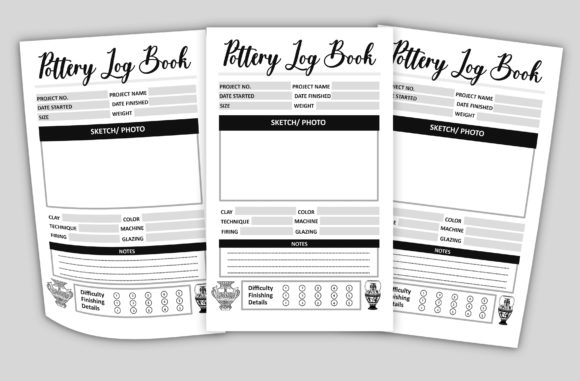
Pottery Log Book KDP Interiors: Elevating Ceramic Documentation for Self-Publishers
Creating a successful low-content book on Amazon requires more than just uploading a generic template; it demands a deep understanding of the specific niche you are serving. When utilizing Pottery Log Book KDP Interiors, you are providing a specialized tool for ceramic artists, students, and hobbyists who need to track the complex variables of their craft. Unlike standard notebooks, these interiors are engineered to capture technical data that directly influences the outcome of a fired piece. The value lies in the specificity of the fields provided, transforming a simple journal into a scientific record of artistic development.
The Critical Role of Technical Tracking in Ceramics
Pottery is as much chemistry as it is art. A potter does not simply throw clay and hope for the best; they manage moisture content, shrinkage rates, glaze chemistry, and kiln atmosphere. A well-designed interior facilitates this management. For self-publishers, this means your product must go beyond blank lines. Effective interiors include dedicated sections for clay body type, wet weight versus dry weight, bisque firing temperature, and glaze layering thickness. When a user opens your book, they should immediately recognize that it was designed by someone who understands that a cone 6 oxidation firing behaves differently than a cone 10 reduction.
This level of detail solves a genuine pain point. Many potters lose months of progress because they failed to document a specific glaze combination or firing schedule. By offering a structured format, your Pottery Log Book KDP Interior becomes an insurance policy against forgotten recipes and failed experiments. It allows users to replicate successes and systematically troubleshoot failures, making the book an indispensable studio companion rather than a novelty item.
Diverse Use Cases Across Skill Levels
The market for pottery journals is not monolithic. Different segments of the ceramics community require different layouts, and understanding these nuances can help you tailor your offerings or create a versatile all-in-one solution.
For Studio Potters and Production Artists
Professional potters producing functional ware need efficiency. Their logging requirements are often repetitive but vital for consistency. They benefit from interiors that feature quick-check boxes for standard clay bodies and glazes, alongside space for batch numbers and pricing. For this audience, the log book serves as both a technical record and an inventory management system. Including fields for "time spent" or "cost of materials" adds significant value, helping them calculate accurate pricing for wholesale or retail markets.
Ceramics Students and Educators
In an academic setting, the focus shifts from production to learning. Students need space for reflection, sketching, and instructor feedback. Interiors targeting this demographic should prioritize open space for drawing form profiles and noting visual observations alongside technical data. Educators often recommend log books to help students develop critical thinking skills regarding their process. A layout that prompts the user to compare their intended result with the actual outcome encourages the analytical mindset necessary for growth in ceramics.
Glaze Chemists and Experimenters
Some users treat pottery as a laboratory. These individuals test line blends, triaxial tests, and colorant variations. Standard log books often fail them because they lack grid systems or percentage breakdown tables. Creating a specialized variation of Pottery Log Book KDP Interiors focused solely on glaze testing can capture this underserved segment. These pages might feature pre-printed grids for unity molecular formulas or spaces for recording specific gravity measurements, catering to the highly technical side of the craft.
Technical Specifications for KDP Success
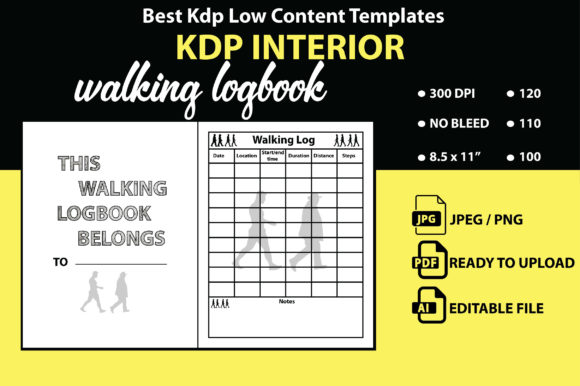
When preparing your file for Kindle Direct Publishing, adhering to strict formatting guidelines ensures a professional final product. The 6x9 inch trim size is the industry standard for studio logs because it strikes the perfect balance between portability and writing surface area. It fits easily on a crowded workbench or in an apron pocket without sacrificing the ability to write legibly with clay-covered hands.
Selecting the No Bleed option is generally recommended for this niche. Pottery logs are functional documents where text and tables typically reside within safe margins. A no-bleed design simplifies the formatting process and reduces the risk of crucial data being trimmed during manufacturing. However, if you incorporate decorative elements like watermark illustrations of kilns or wheels that extend to the edge, you must adjust your PDF setup accordingly. Always ensure your interior PDF matches the exact page count and dimensions specified in your KDP dashboard to avoid rejection or printing errors.
The Strategic Importance of Custom Front Covers
While the interior provides the utility, the cover drives the sale. Relying on public domain images or generic stock photos for your front cover is a missed opportunity and a potential risk. To make your product unique on Amazon and avoid duplicate content flags, you must create your own front cover. This is not merely about aesthetics; it is about brand differentiation and intellectual property safety.
A custom cover signals to the buyer that the entire product is original. In a marketplace saturated with AI-generated or recycled designs, a bespoke cover featuring original typography, hand-drawn illustrations, or proprietary photography stands out. It communicates quality and intentionality. Furthermore, creating your own cover protects you from future licensing issues. If you use a free image today, the license terms could change tomorrow, potentially forcing you to unpublish your book. Owning your cover art outright eliminates this vulnerability.
Consider the tactile nature of pottery when designing. Earth tones, textured backgrounds that mimic raw clay or canvas, and clean, readable typography resonate with the target audience. The cover should visually promise the organization and clarity that the interior delivers. When customers see a cohesive design language between the cover and the preview of the Pottery Log Book KDP Interior, their confidence in the purchase increases significantly.
Practical Considerations Before Publishing
Before finalizing your manuscript, consider the physical reality of how this book will be used. Pottery studios are messy environments filled with dust, water, and slip. While KDP paper is standard, you can enhance usability through thoughtful design choices. Using slightly larger font sizes and ample spacing between lines accommodates users who may be writing quickly or with less-than-perfect dexterity after a long throwing session. Avoid placing critical writing areas too close to the gutter binding, as 6x9 books can be difficult to lay flat when fully opened.
It is also wise to include introductory pages that explain how to use the log effectively. A brief guide on calculating shrinkage percentages or a reference chart for cone temperatures adds immediate perceived value. These static pages differentiate your book from a simple notebook and justify a higher price point. Think about adding an index or a table of contents at the front, allowing users to organize their entries chronologically or by project type.
Building a Sustainable Product Line
Success in low-content publishing often comes from iteration and community engagement. Your first version of Pottery Log Book KDP Interiors is a starting point. Pay attention to customer reviews and questions. Are users asking for more space for glaze recipes? Do they want a section for kiln maintenance logs? These insights are direct instructions for your next edition or complementary products.
We encourage you to favorite this product and follow our store for product updates. We continuously refine our interiors based on real-world feedback and evolving trends in the ceramics community. By staying connected, you gain access to improved layouts, new cover design strategies, and expanded resources that keep your catalog fresh and competitive. The pottery niche values authenticity and continuous improvement; reflecting these values in your publishing strategy builds trust and long-term success.
Ultimately, a high-quality pottery log book bridges the gap between creative intuition and technical mastery. By focusing on practical utility, respecting technical specifications, and investing in original branding, you create a resource that genuinely serves the artist. This user-centric approach not only aligns with best practices for helpful content but also establishes your publication as a respected tool within the vibrant world of ceramics.