Evaluating Guests Book KDP Interiors and Log Books for Self-Publishing
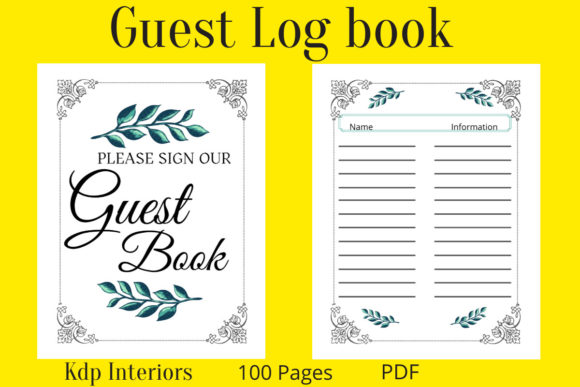
Selecting the appropriate interior template is a critical step for self-publishers creating event stationery on Amazon KDP. The specific product category defined as Guests Book - Kdp Interiors - Log Book serves a distinct niche within the low-content publishing ecosystem. These templates are designed specifically for recording attendee information, messages, and memories at weddings, anniversaries, birthdays, and corporate events. When evaluating a standard 8.5 x 11-inch, 100-page, 300 DPI interior, publishers must assess technical compliance, market versatility, and user experience to determine if this format aligns with their publishing goals.
Defining the Product Specifications
Understanding the technical baseline is necessary before listing any book. A Guests Book - Kdp Interiors - Log Book in the 8.5 x 11 inch size offers a large canvas that distinguishes it from standard trade paperbacks. This dimension is comparable to a standard letter-size sheet of paper, providing ample horizontal space for columns and writing areas. The 100-page count is a strategic choice for this trim size; it provides sufficient volume for large guest lists without making the book excessively heavy or expensive to print. At approximately 0.25 inches thick, this page count meets KDP’s minimum spine width requirements for text printing, allowing for professional branding on the shelf.
The 300 DPI (dots per inch) resolution is the non-negotiable industry standard for print clarity. While digital screens display images clearly at lower resolutions, physical printing requires high-density pixel data to prevent blurriness or pixelation. For log books containing fine lines, tables, and decorative borders, 300 DPI ensures that ink does not bleed into unintended areas and that text remains crisp. Publishers evaluating these interiors should always verify the source file resolution, as upscaling a 72 DPI web image to 300 DPI will result in poor print quality and potential customer returns.
Versatility Across Event Types
A primary reason publishers select this specific interior format is its adaptability. Unlike highly themed books restricted to a single holiday or aesthetic, a structured log book interior functions across multiple verticals. This versatility mitigates financial risk by allowing a single interior asset to support various cover designs.
- Weddings: The most common application. The 8.5 x 11 size accommodates longer well-wishes and signatures from couples attending formal receptions.
- Milestone Anniversaries: Gold and silver anniversary celebrations often require guest books that feel substantial. The larger trim size conveys importance and permanence suitable for commemorative events.
- Birthday Celebrations: Specifically for milestone ages (30th, 50th, 100th), where guests may write extended messages rather than just signing a name.
- Corporate and Professional Logs: Beyond social events, these interiors serve as visitor logs, front desk sign-ins, or maintenance records due to their tabular structure.
Publishers should evaluate whether the interior layout includes generic headers or specific prompts. Generic "Name" and "Message" fields offer maximum cross-market utility, whereas specific prompts like "Bride and Groom" limit the book's lifespan to a single niche.
Benefits and Functional Advantages
The decision to use a pre-formatted Guests Book - Kdp Interiors - Log Book rather than designing from scratch offers measurable efficiency benefits. Technical formatting for KDP involves calculating margins, gutters, and bleed areas based on page count. An 8.5 x 11 book has different safe zone requirements than a 6x9 book. Pre-made interiors eliminate mathematical errors that lead to manuscript rejection during the upload process.
Furthermore, the 100-page length strikes an optimal balance between perceived value and production cost. Books with fewer pages may appear flimsy to buyers browsing "Look Inside" previews, while books exceeding 150 pages increase printing costs significantly, squeezing royalty margins. For a guest book, 100 pages typically accommodate 200 to 400 guests depending on line spacing, which covers the vast majority of medium-to-large events without waste.
Tradeoffs and Critical Considerations
Despite the advantages, there are inherent tradeoffs to using standardized interiors. Market saturation is the most significant challenge. Because these specifications are popular, many publishers utilize identical or similar templates. To compete, the exterior cover design and metadata strategy must be exceptional. The interior acts as a functional utility, but the cover drives the click.
Paper quality is another consideration specific to log books. KDP uses standard 55# (90 GSM) white paper for black-and-white interiors. This weight is adequate for ballpoint pens and pencils but may show ghosting or bleed-through when used with gel pens, markers, or fountain pens often found at wedding venues. Publishers must manage customer expectations through accurate product descriptions, noting that the book is best suited for standard writing instruments. Alternatively, some creators leave every other page blank to mitigate bleed-through, though this effectively halves the capacity of the 100-page book.
Additionally, the 8.5 x 11 size can be unwieldy for certain venues. While excellent for a seated reception or a stationary welcome table, it is less portable than smaller formats. Publishers targeting outdoor, rustic, or travel-based events might find this size creates friction for end-users.
Situational Fit: When This Format Works Best
This specific configuration is a strong fit for publishers focusing on traditional, formal, or high-volume events. If your target audience values comprehensive record-keeping over portability, the 8.5 x 11 inch, 100-page format is ideal. It is particularly effective for:
- Bundle Creators: Publishers creating series of matching event stationery (planners, seating charts, and guest books) benefit from the consistent sizing.
- Niche-Specific Covers: When the differentiation strategy relies entirely on hyper-specific cover art (e.g., "Gothic Wedding Guest Book" or "Fire Station Visitor Log"), a reliable, neutral interior allows focus on visual branding.
- Institutional Sales: Libraries, museums, and government offices often prefer standard letter sizes for filing and archival consistency.
When to Consider Alternatives
Evaluation also requires recognizing when this product is not the right solution. Publishers should consider alternative specifications in the following scenarios:
- Intimate Gatherings: For small dinner parties or elopements, a 100-page book is excessive. A 6x9 inch format with 40–60 pages feels more proportional and personal.
- Premium Market Positioning: If targeting luxury buyers who expect hardcover lay-flat binding or heavyweight archival paper, KDP’s standard paperback options may not meet quality thresholds. Third-party printers specializing in photo books may be necessary.
- Digital-First Integration: If the goal is to integrate QR codes for digital uploads or video messages, a static log book interior may require significant modification. Standard templates rarely account for dynamic tech integration.
- High-Ink Designs: If the desired aesthetic involves full-color backgrounds or heavy graphics, black-and-white standard printing will fail. Color printing increases costs dramatically, potentially making the 100-page price point uncompetitive.
Practical Decision-Making Insights
Ultimately, selecting a Guests Book - Kdp Interiors - Log Book is a business decision balancing production constraints with user needs. Publishers should download sample files and print test pages at actual size before committing. Evaluating the gutter margin is essential; on an 8.5 x 11 book, insufficient inner margin space makes writing near the spine difficult, leading to negative reviews regarding usability.
Success with this product type depends less on the novelty of the interior and more on the precision of execution. Ensure the 300 DPI claim is verifiable, confirm the 100-page count aligns with current printing cost structures, and validate that the 8.5 x 11 trim size matches the expectations of the specific event niche being targeted. By treating the interior as a functional component of a broader brand strategy rather than a standalone commodity, publishers can build sustainable assets in the event stationery category.