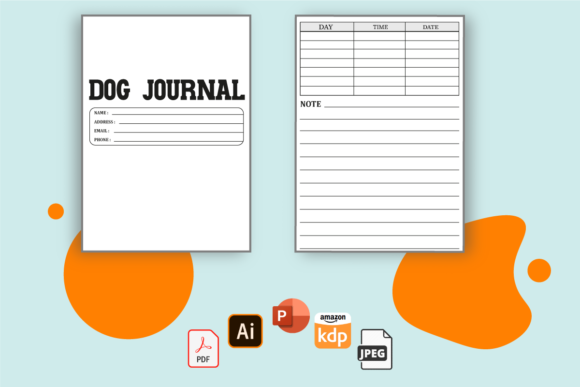
The Complete Guide to KDP Interiors: Dog Journal Planners and Premium Templates for Self-Publishing Success
The landscape of self-publishing has evolved dramatically over the last decade, transforming from a niche endeavor into a robust industry driven by data, creativity, and strategic design. At the heart of this revolution is Amazon KDP (Kindle Direct Publishing), a platform that allows creators to bypass traditional gatekeepers and bring their work directly to market. While much attention is often paid to book covers and marketing strategies, the true product—the Amazon KDP interior—is where customer satisfaction and long-term success are determined. For publishers focusing on the low-content and no-content niches, understanding the nuances of high-quality interiors, particularly specialized formats like the dog journal planner, is essential for standing out in a crowded marketplace.
Understanding the Role of KDP Interiors in Modern Publishing
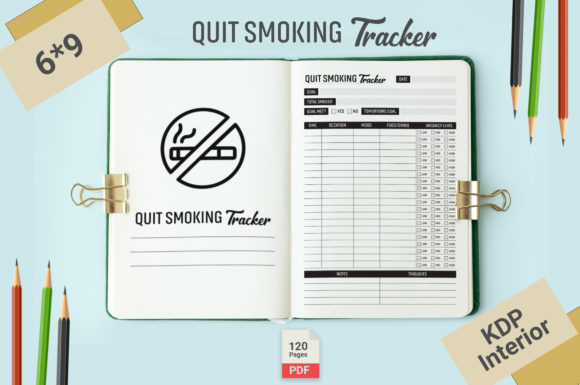
To grasp the significance of a well-designed KDP interior, one must first understand what it represents in the context of modern publishing. An interior is not merely blank pages or generic lines; it is a functional tool designed to solve a specific problem or enhance a daily habit. When a customer searches for a journal planner or a log book, they are looking for structure. They want a product that guides them through tracking, organizing, or creating without requiring them to build the framework themselves.
In the realm of low content books, the value proposition lies entirely in the utility of the interior design. A generic notebook competes with millions of others, but a specialized KDP template tailored to a specific audience—such as dog owners, fitness enthusiasts, or small business operators—offers distinct value. This shift toward specificity is why terms like KDP premium template and original templates for KDP have gained traction. Publishers who invest time in creating or sourcing unique, purposeful layouts are effectively bridging the gap between digital convenience and physical utility.
The Niche Power of the Dog Journal Planner
A perfect example of successful niche targeting is the dog journal planner. Pet ownership is more than a hobby; for many, it is a lifestyle that requires meticulous organization. New puppy owners, professional trainers, and pet sitters all have distinct needs that a standard diary cannot meet. A high-quality KDP book in this category might include sections for vaccination records, feeding schedules, behavioral training logs, and veterinary visit notes.
When designing or selecting an interior book for this niche, functionality must drive aesthetics. The layout should be intuitive, allowing users to quickly jot down information during busy moments. This practical relevance is what separates a bestseller from a forgotten listing. By utilizing a specialized KDP interior, publishers provide a tangible solution to the chaos of pet care, turning a simple paperback into an indispensable resource for dog lovers.
Navigating Low Content vs. No Content Strategies
A common misunderstanding among beginners in self-publishing is the conflation of "no content" and "low content." Understanding this distinction is vital for leveraging KDP templates effectively.
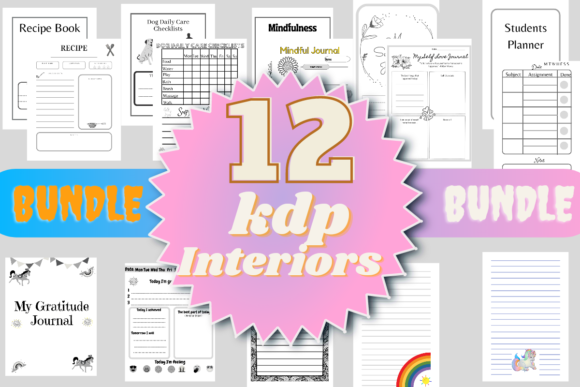
- No Content Books: These typically consist of lined, graph, or dot-grid paper with minimal structural variation. While easy to produce, this market is highly saturated. Success here relies heavily on cover design and extreme niche specificity.
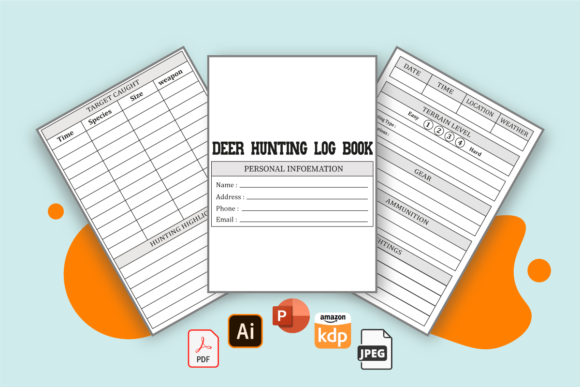
- Low Content Books: These include structured interiors such as planners, logbooks, trackers, and journals. A planner interior falls squarely in this category. Because these books require more thoughtful design and offer higher utility, they often command higher price points and foster better customer loyalty.
For those seeking the best KDP interior results, pivoting toward low content is often the superior strategy. It aligns with Amazon’s Helpful Content principles by ensuring the book serves a genuine user need rather than simply filling shelf space. Whether you are creating a saver log book for financial tracking or a creative prompt journal, the added layer of structure provides the "helpfulness" signal that search algorithms and human buyers alike prioritize.
Sourcing and Creating Original Templates for KDP
The quality of your KDP design directly impacts your brand reputation. In an era where AI-generated content is flooding the market, originality has become a premium asset. Using a KDP premium template does not mean sacrificing uniqueness; rather, it means starting with a professional foundation and customizing it to fit your specific vision.
Many successful publishers utilize digital KDP printable resources as a base. These printable templates save significant time while ensuring technical accuracy regarding margins, bleed, and safe zones. However, to truly excel, one should modify these new interiors for KDP to add proprietary elements. This could involve adding custom instructional pages, unique branding, or specialized tracking fields that aren't found in generic stock templates. This hybrid approach balances efficiency with the originality required to rank for competitive keywords like best KDP and Amazon KDP interior.
Technical Excellence and User Experience
Even the most beautiful interior design will fail if it is technically flawed. Self-publishing requires a mastery of print specifications. A template ready to upload should already account for these variables, but publishers must always verify. Key considerations include:
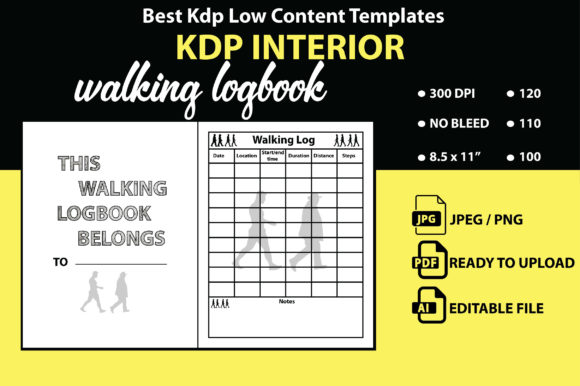
- Margins and Gutter: A logbook or planner needs ample inner margin space so that writing near the spine remains comfortable. Failing to adjust the gutter based on page count is a frequent error that leads to poor reviews.
- Bleed Settings: If your KDP interiors Kindle or print designs extend to the edge of the page, proper bleed setup is non-negotiable. Professional KDP templates usually come in both bleed and no-bleed versions to prevent cropping issues.
- Paper Quality Considerations: Standard KDP paper is 55# (90 GSM). Dark ink or heavy markers can bleed through. Experienced designers account for this by keeping graphics light or placing blank buffer pages between dense content sections in their planner interior files.
By prioritizing technical precision alongside creative design, you ensure that your KDP Amazon product meets professional standards. This attention to detail builds trust and encourages repeat customers, which is crucial for scaling a self-publishing business.
The Future of KDP: Quality Over Quantity
As the platform matures, the definition of the best KDP interior continues to rise. The days of uploading thousands of low-effort, repetitive books are fading. Amazon’s algorithms increasingly favor engagement metrics, sales velocity, and positive customer feedback. This makes the creation of high-value low content books more important than ever.
Publishers should view each KDP book as a micro-product launch. Research the target audience deeply. If you are making a dog journal planner, interview dog owners. Ask what they struggle to track. Use that insight to inform your KDP design. When you align your interior book with real-world needs, you move beyond keyword stuffing and enter the realm of genuine service.
Furthermore, the integration of digital and physical products is expanding. Many creators now offer a digital KDP printable version of their planner alongside the physical KDP edition. This multi-format approach maximizes revenue potential and caters to different user preferences. Whether a customer wants a physical log book to carry in their bag or a printable template to use on a tablet, providing options enhances the overall value proposition.
Building a Sustainable Self-Publishing Portfolio
Ultimately, success in Amazon KDP is about consistency and adaptation. Utilizing KDP time saver tools and templates allows you to focus on market research and quality assurance rather than reinventing the wheel for every publication. However, efficiency should never come at the cost of relevance.
Whether you are a seasoned publisher looking for a new interior for KDP to refresh your catalog or a beginner searching for the best KDP entry point, remember that the interior is your product's soul. From the structured lines of a saver log book to the comprehensive fields of a dog journal planner, every element should serve the end-user. By combining professional KDP premium templates with authentic market understanding, you can build a sustainable, profitable portfolio that resonates with readers and stands the test of time in the dynamic world of self-publishing.