Creating Enchanting Princess Notebook KDP Interiors: A Complete Guide to 6x9 No-Bleed Layouts
The world of low-content publishing on Amazon KDP has evolved significantly over the last few years. While generic lined journals once dominated the marketplace, today’s successful publishers understand that niche specificity and high-quality design are the keys to visibility and sales. Among the most enduring and profitable niches is the princess theme notebook for KDP interior or printable markets. This category appeals to a passionate demographic of young writers, dreamers, and parents seeking magical stationery for their children. However, creating a product that stands out requires more than just placing a crown graphic on a page; it demands technical precision and an understanding of user experience.
This guide explores the creation and utilization of a tested, ready-to-use Princess Notebook KDP Interior. Specifically, we will focus on the industry-standard 6x9 inch format with no bleed settings, ensuring your files are perfectly formatted for both digital printing and home use. Whether you are a seasoned KDP publisher looking to expand your catalog or a creative parent designing a custom gift, understanding the anatomy of these interiors is essential for success.
Understanding the Technical Specifications: Why 6x9 and No Bleed?
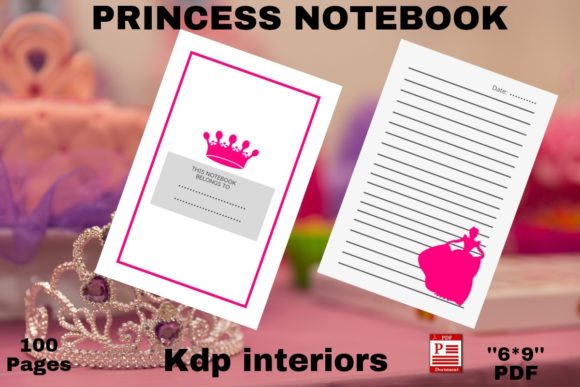
Before diving into the aesthetic elements of a princess journal, one must master the structural foundation. The specifications for this interior—6x9 inches, 100 pages, no bleed, 300dpi PDF—are not arbitrary. They represent the sweet spot for children’s activity books and journals in the current market.
The Versatility of the 6x9 Trim Size
The 6x9 inch trim size is widely considered the gold standard for low-content books for several practical reasons:
- Portability: It is small enough to fit in a child’s backpack or purse but large enough to provide ample writing space without feeling cramped.
- Cost Efficiency: Printing costs for this size are generally lower than larger formats like 8.5x11, allowing for better profit margins or more competitive pricing.
- Perceived Value: Unlike smaller pocket notebooks, a 6x9 book feels substantial and "real," making it an ideal gift item rather than a disposable notepad.
The Strategic Advantage of No Bleed Designs
A common point of confusion for beginners is the concept of "bleed." In printing, bleed refers to artwork that extends beyond the edge of the page, requiring trimming. For a princess notebook KDP interior, choosing a no bleed option is often the superior strategic choice. By keeping all design elements within a safe margin (typically 0.375 inches from the gutter and outer edges), you ensure compatibility across different printing facilities and reduce the risk of rejection during the KDP upload process.
Furthermore, no bleed interiors are significantly easier to adapt for printables. If a customer purchases your file to print at home, they can do so on standard letter-sized paper and trim it down without worrying about complex alignment issues. This dual-purpose functionality increases the overall value proposition of your digital asset.
Anatomy of a High-Converting Princess Journal Interior
A professional-grade interior is more than just repetitive lines. It tells a story and guides the user through a cohesive experience. The tested template referenced here follows a precise 100-page structure designed to maximize utility and engagement.
The Essential Page Breakdown
To maintain consistency and meet KDP guidelines, the pagination must be exact. Here is how the 100 pages should be allocated:
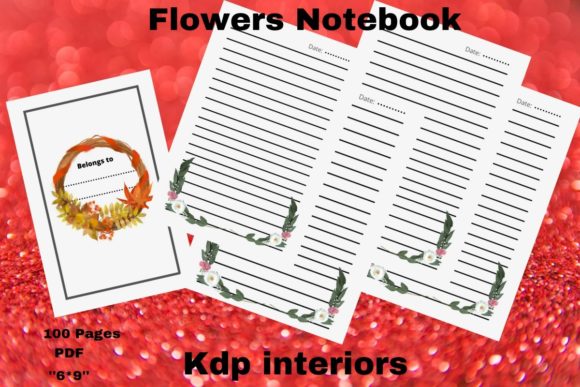
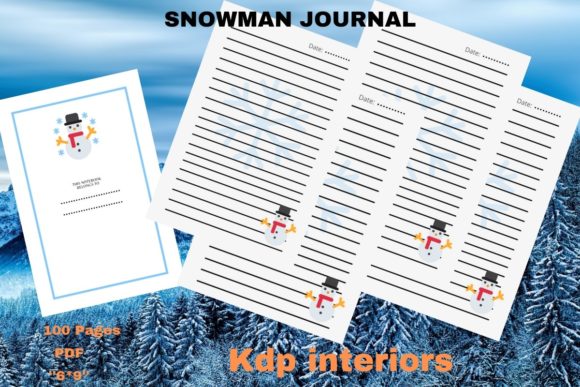
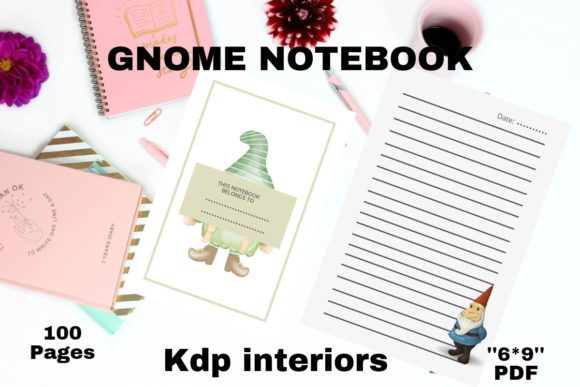
- Page 1: Belongs To Page: This is non-negotiable for children's journals. It establishes ownership and adds a personalized touch. For a princess theme, this page often features an ornate frame, a tiara icon, or a castle motif where the child can write their name. This single page transforms a blank book into a cherished possession.
- Pages 2–99: Core Interiors (98 Pages): These pages constitute the functional heart of the notebook. In a princess-themed journal, variety is key to maintaining interest. Rather than simple horizontal lines, consider incorporating subtle thematic watermarks, corner flourishes, or inspirational quotes related to kindness, bravery, and imagination. The resolution must remain crisp at 300dpi to ensure these details do not appear pixelated when printed.
- Page 100: Last Blank Page: Ending with a blank page serves two purposes. First, it acts as a buffer zone, protecting the final written content from the back cover adhesive or wear. Second, it provides a space for free drawing or notes that don't fit the structured format of the preceding pages.
Designing for the Princess Niche: Beyond Stereotypes
When creating a princess theme notebook for KDP interior or printable products, it is vital to move beyond outdated clichés. Modern audiences appreciate designs that balance traditional elegance with contemporary empowerment. The visual language of your interior should reflect this nuance.
Color vs. Grayscale: While color interiors are beautiful, they drastically increase printing costs on KDP. Most successful princess journals utilize grayscale or black-and-white interiors. This allows for affordable pricing while still offering a premium feel. Use varying line weights and shading techniques to create depth without relying on color ink. A delicate gray watermark of a fairy wand or a floral border prints beautifully in standard black and white and leaves room for the child to color if desired.
Line Spacing and Accessibility: Remember that the primary users are often developing writers. Standard college-ruled spacing may be too tight. Opt for wide-ruled or primary-school-ruled lines to accommodate larger handwriting. Ensuring the interior is accessible to younger demographics expands your potential customer base significantly.
Dual Utility: KDP Publishing and Printable Markets
One of the greatest advantages of acquiring a high-resolution, 300dpi PDF interior is its versatility. You are not limited to a single revenue stream. Understanding how to leverage this file for both platforms maximizes your return on investment.
Optimizing for Amazon KDP Upload
When uploading to KDP, the "Interior Only" aspect means you must create your own cover. This separation of assets is actually beneficial. It allows you to test multiple cover designs against the same proven interior. Since the interior is pre-formatted to 6x9 with no bleed, you can bypass the tedious formatting phase and focus entirely on cover research and keyword optimization. Ensure your metadata highlights specific features like "100 pages," "princess journal for girls," and "gift for kids" to align with search intent.
Adapting for Digital Printables
The same PDF file used for KDP can be sold as a digital download on platforms like Etsy or Teachers Pay Teachers. For this market, emphasize the instant gratification factor. Parents can purchase the file, print it at home, and bind it themselves within minutes. When listing as a printable, clearly state the dimensions and recommend paper types (e.g., 24lb or 32lb laser paper) to prevent show-through. You might also offer a "print-at-home" version with crop marks added, derived from the same master no-bleed file, to assist customers who lack professional binding equipment.
Common Misunderstandings and Quality Assurance
Even with a tested template, errors can occur if publishers make assumptions. Let us clarify a few common misconceptions regarding princess notebook interiors.
Misconception: Any PDF will work for KDP.
Reality: KDP is strict about page count and trim size. A file labeled as 6x9 must have the correct aspect ratio. Furthermore, the total page count must match exactly what is entered in the KDP dashboard. If your file has 100 pages but you accidentally select 102 in the setup wizard, the upload will fail. Always verify your PDF properties before uploading.
Misconception: Low resolution is acceptable for line art.
Reality: Vector-style line art can sometimes get away with lower DPI, but any rasterized elements (like textured backgrounds or shaded illustrations) absolutely require 300dpi. Blurry interiors lead to negative reviews, which can permanently damage a book’s ranking. Never upscale a low-resolution image; always start with high-quality source assets.
Misconception: The cover is part of the interior file.
Reality: As noted in the specifications, this is an Interior Only product. KDP requires covers to be submitted as a separate PDF that includes the back cover, spine, and front cover in a single spread based on the calculated spine width. Do not attempt to merge the cover into the interior PDF.
Building a Sustainable Low-Content Business
Creating a princess theme notebook for KDP interior or printable use is an excellent entry point into digital publishing, but long-term success requires a broader perspective. Treat each interior as a foundational asset. Once you have mastered the 6x9 no-bleed princess journal, apply the same rigorous standards to adjacent niches such as unicorns, mermaids, or space exploration.
Focus on the user experience above all else. Ask yourself: Does the "Belongs To" page make the child feel special? Are the 98 interior pages engaging enough to encourage daily writing? Is the final blank page positioned correctly? By prioritizing quality and adhering to technical best practices, you build trust with your audience. In the competitive landscape of KDP and digital downloads, trust translates directly to sales and brand loyalty.
Ultimately, the goal is to provide a tool that sparks creativity. Whether used for school assignments, diary entries, or imaginative storytelling, a well-crafted princess notebook serves as a canvas for a child's inner world. By utilizing tested, high-resolution templates and understanding the nuances of no-bleed formatting, you position yourself not just as a seller of blank pages, but as a facilitator of childhood wonder.